Don't Share It: The Law, the Shame and the Forward Button
Every leak needs an audience. If you forwarded that clip, you were not a bystander — and in Ghana, you may not be legally safe either.
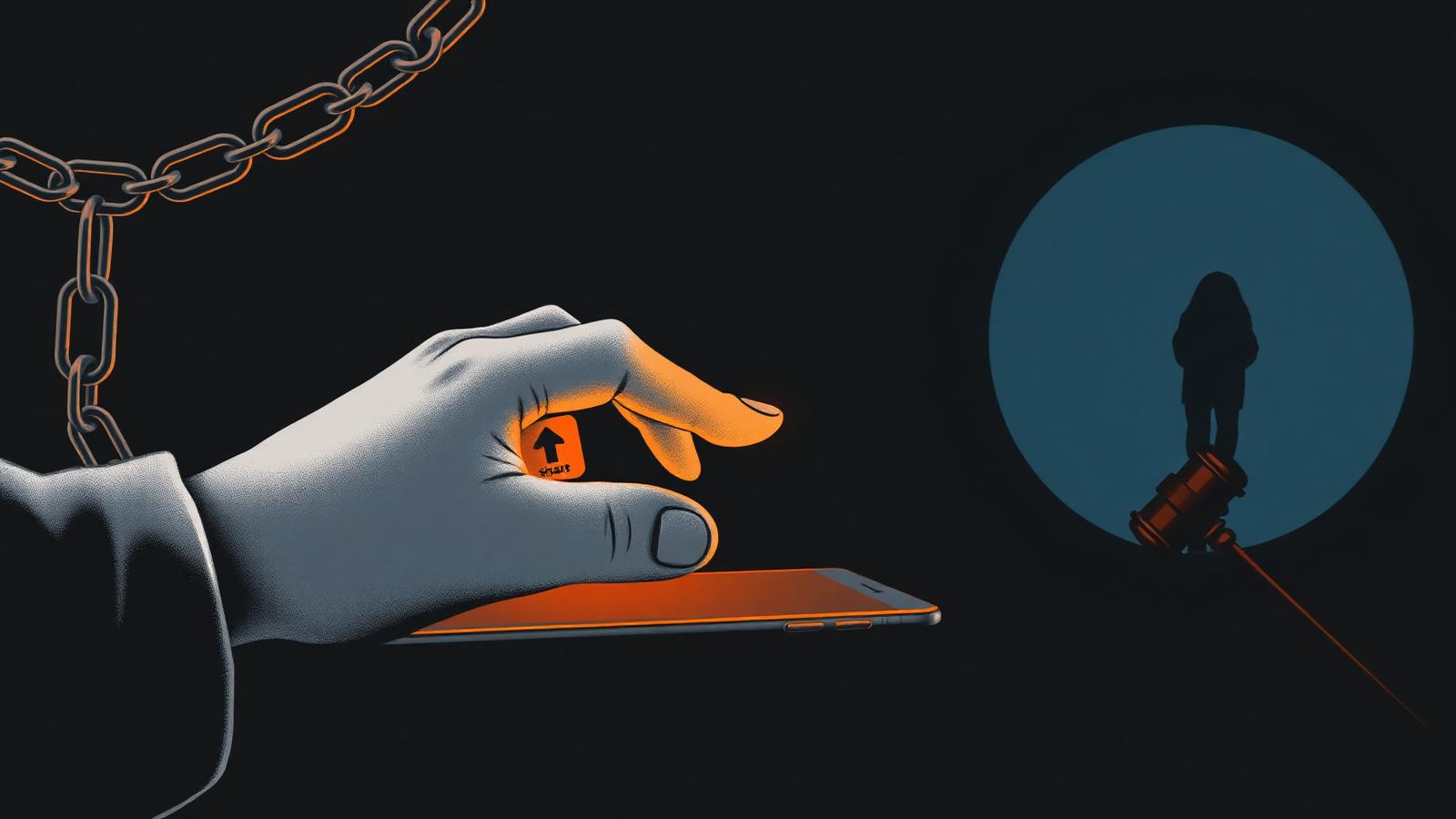
A leak is not powerful because it exists. It is powerful because thousands of people press forward. When private material involving a Ghanaian entertainer surfaced this week, the harm scaled through ordinary phones in ordinary hands.
Sharing is participation
There is no neutral forward. Each re-share expands the search footprint, feeds the accounts monetising the moment, and pushes the material closer to the victim's family, employers and children.
The legal exposure
Ghana's cybersecurity and electronic communications framework, alongside criminal provisions on obscene and non-consensual material, exposes distributors — not just the original leaker — to investigation and liability. Platforms also log accounts that repeatedly upload non-consensual intimate imagery.
- Do not download it. Do not forward it. Do not screenshot it.
- Report it under non-consensual intimate imagery, which triggers priority removal.
- Do not tag the victim, and do not demand a statement.
- Correct the framing in your circles: this is a privacy crime, not gossip.
What we owe each other
Anyone can be next: a repaired phone, a reused password, a relationship that ends badly. The culture we build around today's victim is the culture that will greet us tomorrow.
Nudity is not the way. Neither is the forward button.
AI narration costs 1 coin and goes straight to the writer. One-time — replay any time.
Reader comments
Related stories
Fame Without Flesh: Ghanaian Stars Who Sell Craft, Not Skin
Shock sells for a week; craft sells for a decade. How Ghana's most durable entertainers built attention without renting out their bodies.
The 72-Hour Storm: What Happens to a Celebrity After a Leak
Bookings freeze, timelines burn, and the person behind the trend goes silent. A close look at the first three days of a leak — and what actually helps.
Your Phone Is the Leak: Seven Doors Celebrities Leave Open
Most intimate leaks are not hacks. They are recycled passwords, cloud backups and borrowed phones. Here are the seven doors — and how to shut them tonight.