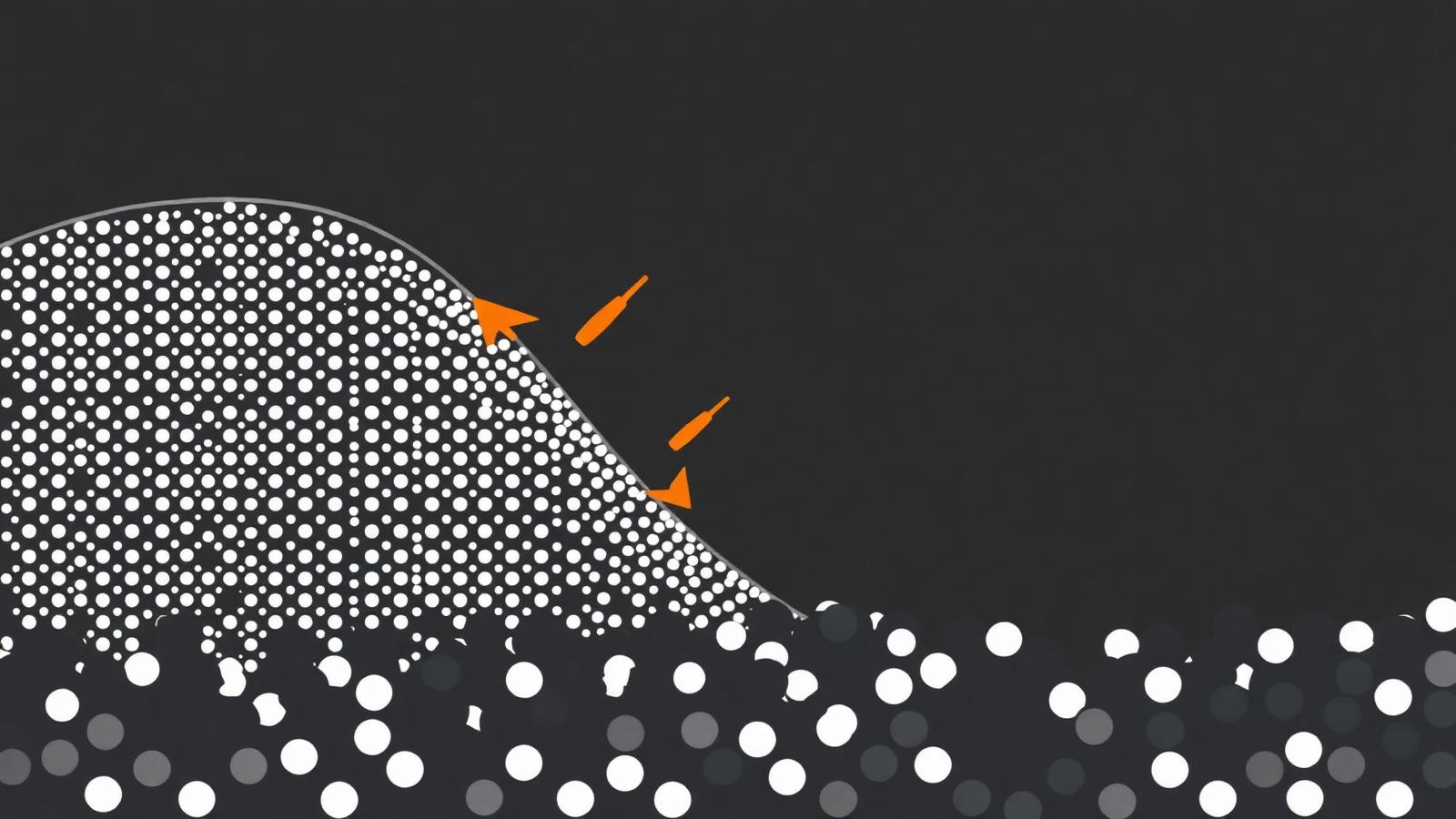
How a Crowd Crush Happens — And Why Capacity Numbers Are Not Bureaucracy
A plain-language explainer on crowd density, gate funnels and why a festival can be perfectly safe at 10,000 and dangerous at 11,000.
Every time a concert is stopped for "overcrowding," someone online says the organisers were being dramatic. They were not. Crowd danger is not about how many people are in a field — it is about how many people are in one square metre, and how fast they can leave it.
Density, not headcount
- Up to ~2 people per m²: free movement. Comfortable.
- ~4 per m²: shoulder contact, movement slows.
- ~5–6 per m²: you no longer choose where you go; the crowd carries you.
- Beyond that: pressure waves travel through bodies. People are injured standing up, not trampled on the floor.
A licensed capacity is the number where exits, stewards, medics and open ground still work together. Cross it and every one of those margins shrinks at the same time.
The five things that usually go wrong
- One gate for everyone. A single entry point turns a patient queue into a wedge.
- Everyone arrives at once. No support acts, one headliner, one arrival spike.
- Ticket integrity fails. Screenshots, duplicates and jumped fences mean the real count is unknown.
- No live counting. If nobody knows the number inside, nobody can decide to stop.
- No hold plan. Stopping entry is a decision that must be pre-agreed, or it is made too late.
What good looks like
Timed entry slots. Multiple separated gates with scanners that reject duplicates. Stewards facing the crowd, not the stage. A control room with a live count and the authority to pause. Wide lateral escape routes, not just a back exit. And a published statement of what happens to your money if the event stops.
If you are ever in it
- Keep arms up and folded across your chest to protect your ribs and breathing space.
- Move diagonally with the crowd, never against it.
- Stay on your feet; help others back up immediately.
- Choose your spot before the surge — near a barrier gap, not against a solid fence.
- If you cannot breathe comfortably, leave early. Nobody remembers you left; you will remember you did.
AI narration costs 1 coin and goes straight to the writer. One-time — replay any time.
Reader comments
Related stories
ShattaFest UK Cancelled: Police Shut Down a Sold-Out London Party
Police called off ShattaFest UK at Copthall Playing Fields after the site went over its approved capacity and a crush developed. Here are the highlights, the good and the bad.

Before the Split: Where P-Square's Trouble Actually Began
Two brothers, one brand and a business that never separated the boardroom from the family living room. A look at the origins of the P-Square trouble.
The Split, Step by Step: What Led P-Square to Break Up
Management fights, public statements, cancelled shows and two solo careers. A sequenced look at how the P-Square breakup actually unfolded.