
Before the Split: Where P-Square's Trouble Actually Began
Two brothers, one brand and a business that never separated the boardroom from the family living room. A look at the origins of the P-Square trouble.
A brand built by blood
P-Square did not start as a company. It started as a family — twins who sang together, a household that rehearsed together, and an older brother who handled the parts of the job nobody else wanted to do.
That closeness was the superpower. It is also, with hindsight, the fault line.
The superpower
In the early 2000s, Nigerian music had few professional structures. There were no big label systems waiting to develop young acts, no armies of managers, lawyers and accountants. Artists who succeeded were the ones who built their own machinery.
The Okoye family did exactly that:
- Trust by default. No contracts needed between brothers, no auditions for loyalty.
- Speed. Decisions were made at the dinner table, not in meetings.
- Total alignment. Everyone was invested, because everyone shared a surname.
This is why P-Square could scale from local hits to continental tours faster than better-funded acts.
The fault line
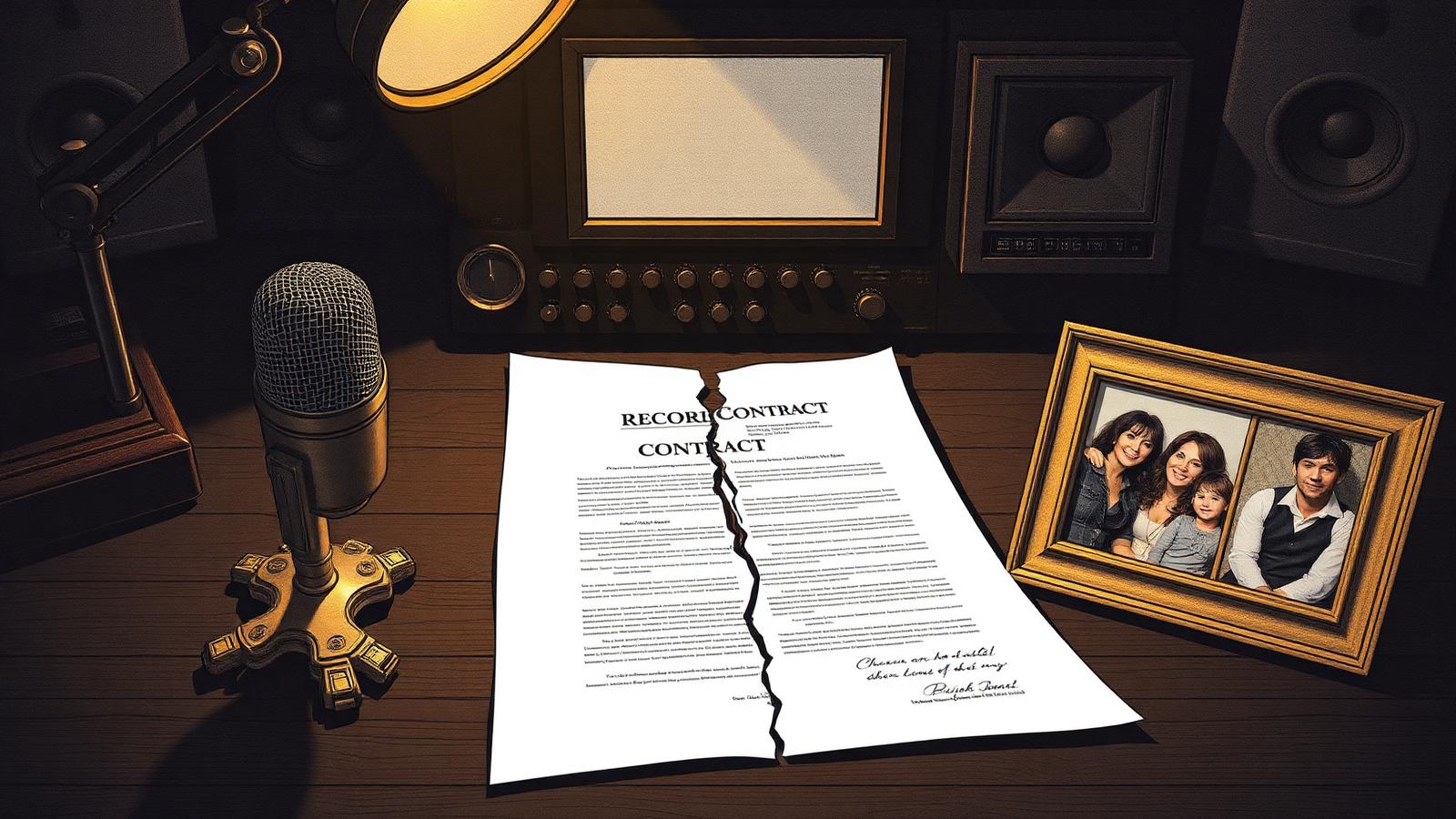
Here is the quiet problem with mixing family and business: a family has no exit clause.
In a normal company, a disagreement over money is handled by a shareholder agreement. A disagreement over creative direction is handled by a contract that says who decides. When the same disagreement happens inside a family firm, there is no document — only history, hierarchy and hurt feelings.
In business, you can fire a partner. In a family, you can only stop speaking to them.
Once the money got serious, three structural issues showed up:
- Undefined roles. Was the older brother a manager, an executive, a shareholder, or a sibling giving advice? All four at once, which means none of them could be measured.
- Undefined ownership. Who owned the masters, the brand name, the publishing, the company that received the money? Family firms often postpone this question until it becomes unanswerable.
- No neutral referee. With no board and no third-party advisor, every dispute defaulted to sibling politics.
Money is a translator
Money does not create conflict; it translates existing conflict into a language everybody can finally hear.
Small revenue hides sloppy structure. Big revenue exposes it. As P-Square's earnings grew — endorsements, tours, publishing, appearances — the vagueness that had once made them fast started making them suspicious of each other. Every unlabelled naira became a question, and every question became a story.
Two artists, one identity
There is a creative cost too, and it is the one fans feel.
The twins were marketed as a single unit. One name, one image, one sound. But two grown artists with two evolving tastes eventually want two different things: different collaborators, different tempos, different risks. A partnership that never built a mechanism for individual expression forces a binary choice — suppress yourself, or leave.
By the mid-2010s, that binary was already in the room. Fans blamed personalities. The real culprit was architecture.
What the origin story teaches
None of this needed lawyers-versus-love framing. It needed boring paperwork done early, while everyone still liked each other:
- Written shareholding, even between siblings.
- A defined management contract with term, scope, fee and termination.
- Separate legal entities for the duo brand and each solo career.
- An independent accountant reporting to both artists, not to one office.
- A dispute clause naming a neutral mediator.
Boring documents are how families stay families after the money arrives.
Next in this series
The split itself — what actually escalated, in what order, and why the announcements landed the way they did.
This article is commentary and analysis based on publicly reported statements and interviews. It does not allege facts beyond what has been publicly stated by the parties involved.
AI narration costs 1 coin and goes straight to the writer. One-time — replay any time.
Reader comments
Related stories

ShattaFest UK Cancelled: Police Shut Down a Sold-Out London Party
Police called off ShattaFest UK at Copthall Playing Fields after the site went over its approved capacity and a crush developed. Here are the highlights, the good and the bad.

How a Crowd Crush Happens — And Why Capacity Numbers Are Not Bureaucracy
A plain-language explainer on crowd density, gate funnels and why a festival can be perfectly safe at 10,000 and dangerous at 11,000.
The Split, Step by Step: What Led P-Square to Break Up
Management fights, public statements, cancelled shows and two solo careers. A sequenced look at how the P-Square breakup actually unfolded.