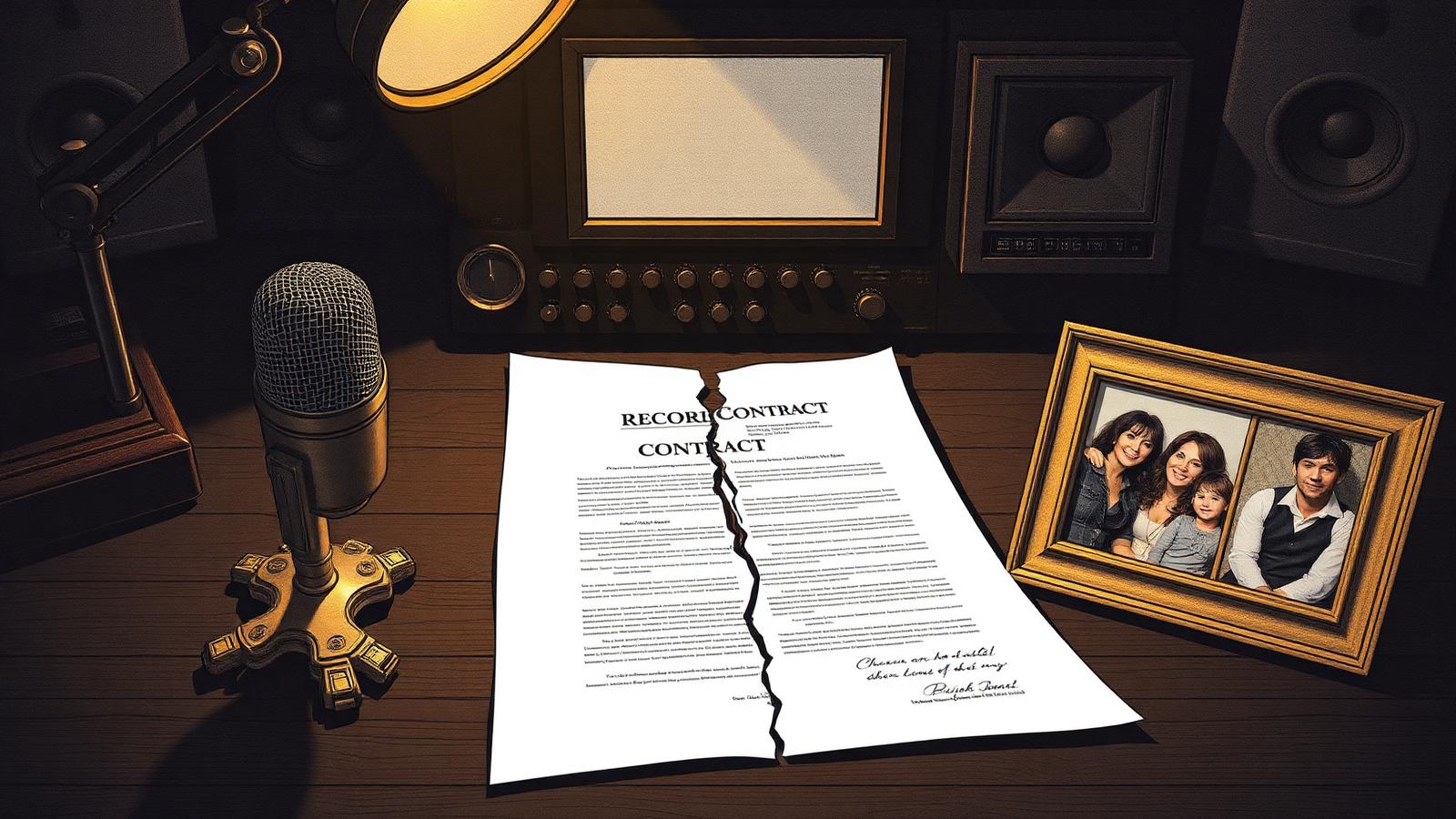
The Split, Step by Step: What Led P-Square to Break Up
Management fights, public statements, cancelled shows and two solo careers. A sequenced look at how the P-Square breakup actually unfolded.
Nothing broke suddenly
Public breakups look like single events. They almost never are. They are a slow accumulation of unresolved small things until one ordinary week can no longer hold them.
Based on what the parties themselves have said publicly over the years, the P-Square rupture followed a recognisable sequence.
Stage 1 — The management question
The first recurring flashpoint was the same one that ends most family businesses: who is in charge of the business side, and on what terms?
Reports and interviews across the years point to disagreement over the older brother's role as manager — the scope of his authority, the size and structure of his cut, and how much control an artist should hand to a relative who is also a decision-maker.
One artist wanted to change the arrangement. The other did not see the same problem. That asymmetry is the whole story in miniature.
Stage 2 — The 2017 rupture
By 2017 the disagreement had become public. Statements were released. Social media accounts were used as press offices. Reports of a formal split circulated, and the duo's touring and release schedule stalled.
What made it worse was the medium. Private grievances aired publicly do two damaging things at once:
- They lock both parties into positions they now have to defend in front of millions.
- They invite an audience to take sides, which raises the cost of any future climbdown.
Stage 3 — The reconciliation that fixed feelings, not structure
In 2021 the brothers reconciled publicly, and fans got the reunion they wanted. Performances followed. Goodwill returned.
But reconciliation addressed the relationship, not the machinery. There is little public evidence that the underlying architecture changed: role definitions, ownership of catalogue and brand, independent financial oversight, or a written mechanism for resolving the next fight.
A reunion without restructuring is a truce, not a peace treaty.
Stage 4 — Solo gravity
Meanwhile, both artists had done something irreversible: they had built solo identities. Solo releases, solo billings, solo audiences.
Once each brother has a working career that does not require the other, the duo becomes optional. Optional partnerships need a reason to exist, and nostalgia is not a business plan.
Stage 5 — The second breakdown
The later public falling-out, again involving the management relationship and again playing out through public statements, was less a new conflict than the same one returning with interest.
Money disputes compound. Every year of unaudited, undocumented arrangement adds another year of claims to argue about.
The pattern under it all
Strip out the names and this is a textbook family-firm failure:
| Missing control | What it caused |
|---|---|
| No written management terms | Endless argument about authority and fees |
| No clear ownership of brand and masters | Every asset became contestable |
| No independent financial reporting | Suspicion filled the information gap |
| No dispute mechanism | Disagreements escalated to the public |
| No separation of solo and duo entities | Personal growth read as betrayal |
What it cost
- Creatively: the duo's most commercially powerful years overlapped with its most distracted ones. Catalogue that could have been made was not made.
- Commercially: cancelled and stalled tours, nervous sponsors, and a brand that sold drama as often as music.
- Personally: the highest cost, and the one that will not show in any ledger.
Next in this series
Why so much of this traces back to one seat at the table — and what fixing it would actually require.
Commentary and analysis based on publicly reported statements and interviews by the parties involved.
AI narration costs 1 coin and goes straight to the writer. One-time — replay any time.
Reader comments
Related stories
ShattaFest UK Cancelled: Police Shut Down a Sold-Out London Party
Police called off ShattaFest UK at Copthall Playing Fields after the site went over its approved capacity and a crush developed. Here are the highlights, the good and the bad.

How a Crowd Crush Happens — And Why Capacity Numbers Are Not Bureaucracy
A plain-language explainer on crowd density, gate funnels and why a festival can be perfectly safe at 10,000 and dangerous at 11,000.

Before the Split: Where P-Square's Trouble Actually Began
Two brothers, one brand and a business that never separated the boardroom from the family living room. A look at the origins of the P-Square trouble.