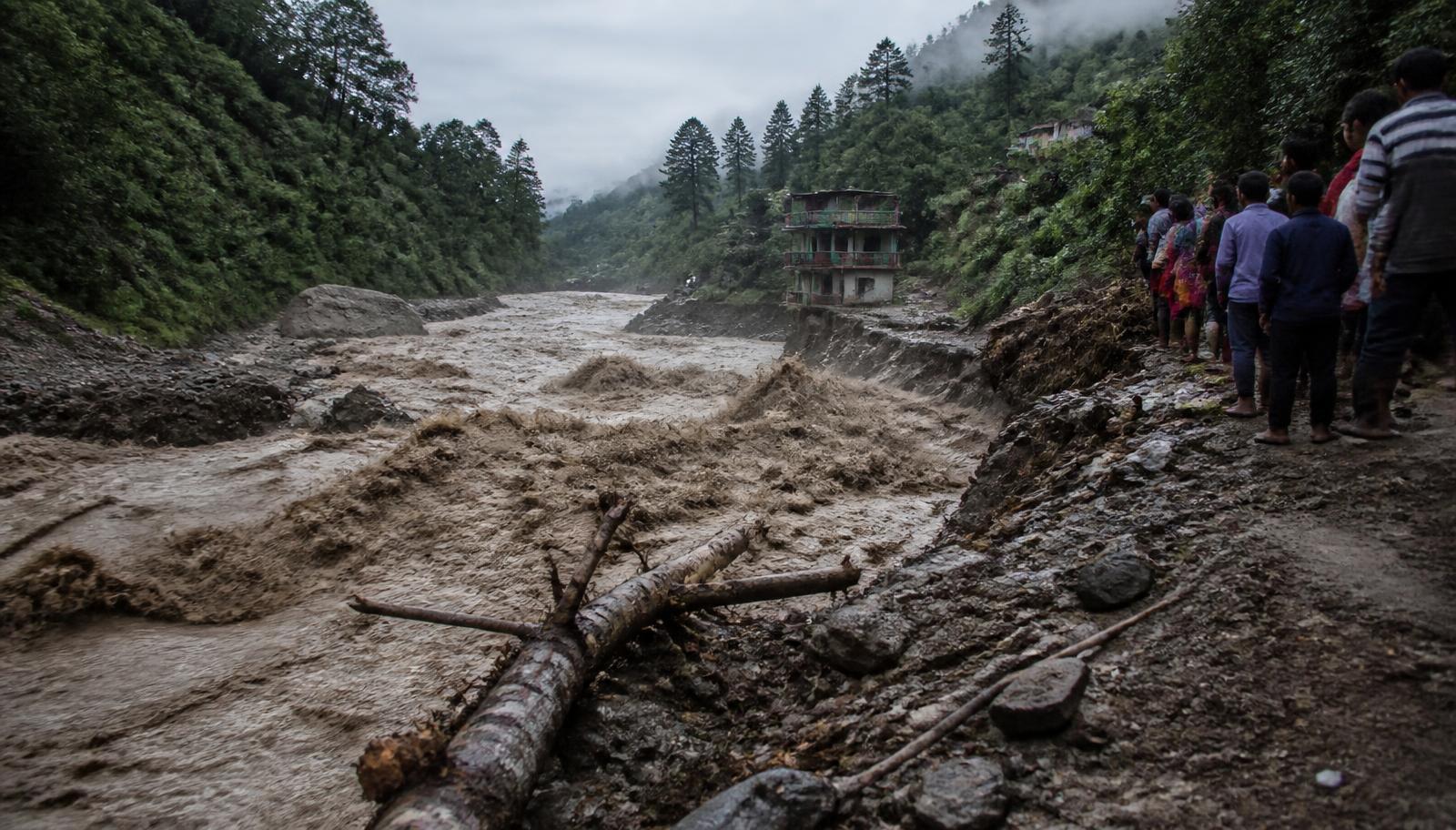
The early hours: twenty minutes of warning, then the river changed colour
Survivors describe a roar before the water, phones with no signal, and the short window between the collapse upstream and the flood reaching the first villages.
Before dawn
The collapse happened upstream, out of sight of anyone living below. What reached the first settlements first was sound — described consistently by survivors as a low, mechanical roar, unlike rainfall or a landslide. Then the river went from grey to thick brown and rose over its banks in minutes.
In steep terrain, a flood wave moves faster than a phone call. Mobile networks in the worst-hit corridors failed early, either because towers were carried away or because power lines went with the first surge.
What the first hours cost
- Bridges. River crossings failed early, which immediately split rescue efforts from the communities that needed them.
- Highways. Sections of the road linking Kathmandu to the worst-hit districts were buried, turning a few hours' drive into an air-only operation.
- Work sites. Camps and tunnel works along the river were occupied overnight, which is why the missing figure climbed so steeply and stayed there.
By first light, the pattern that would define the week was already set: a confirmed death toll rising steadily, and a missing count several times larger than it.
AI narration costs 1 coin and goes straight to the writer. One-time — replay any time.
Reader comments
Related stories
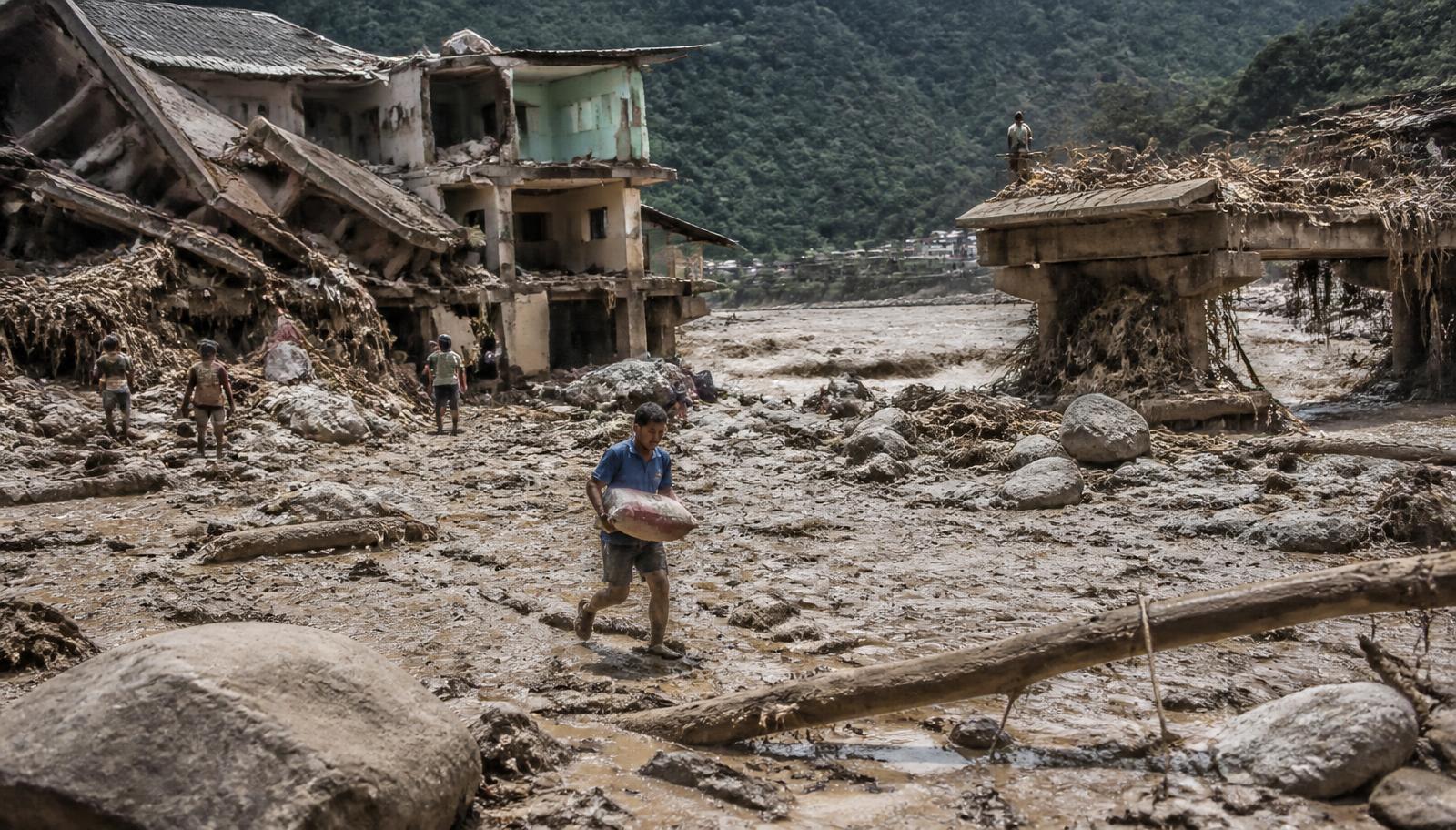
The incident: what collapsed on the border, and what it destroyed
A rocky mountainside and the glacier it supported gave way near the Nepal–Tibet frontier. This is what the resulting flood did to the valleys below.
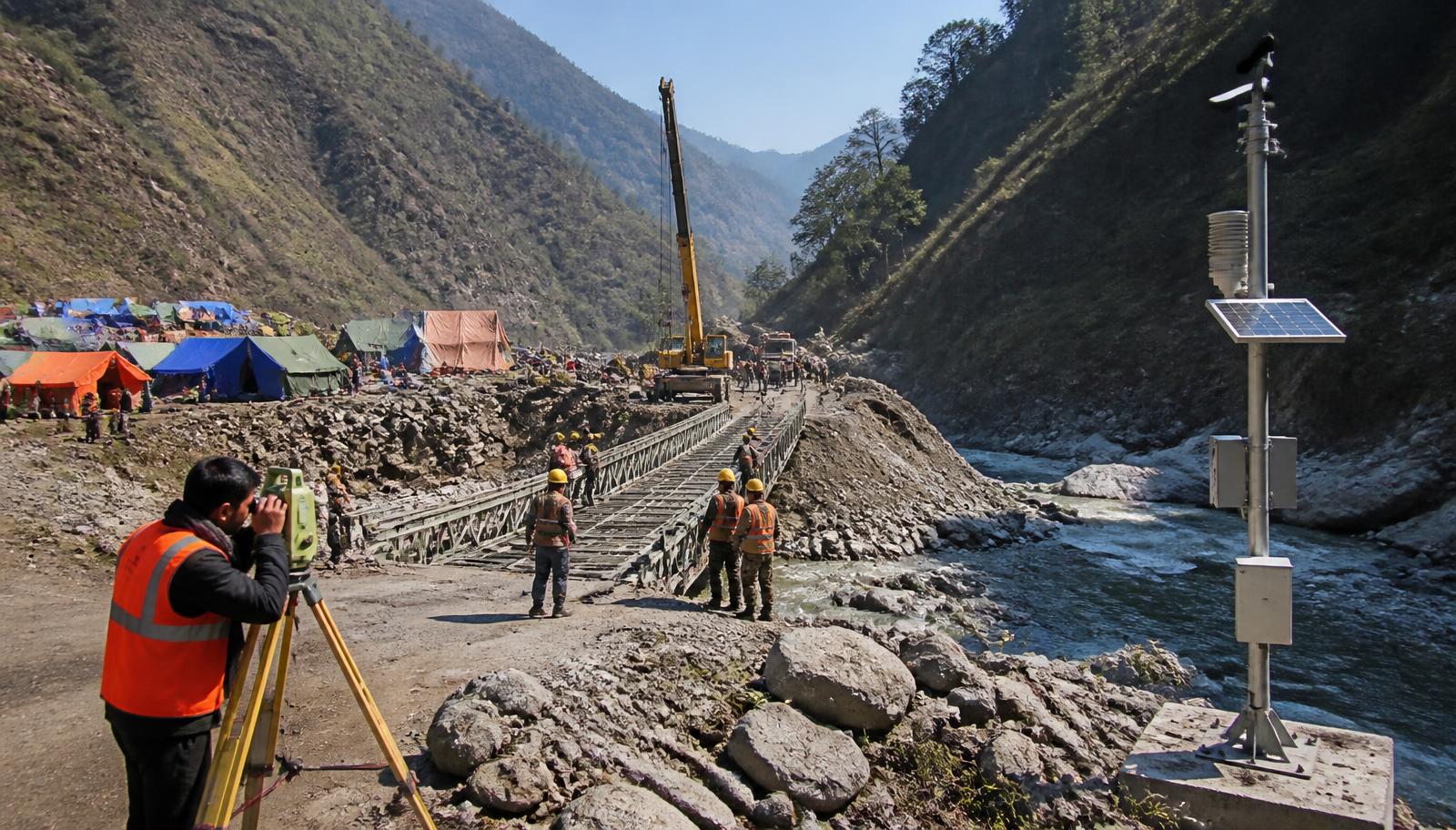
The fixes: five things that would make the next Himalayan flood survivable
Sirens that reach households, sensors upstream, lakes drawn down, valley floors kept clear, and money that arrives before the next monsoon — not after it.
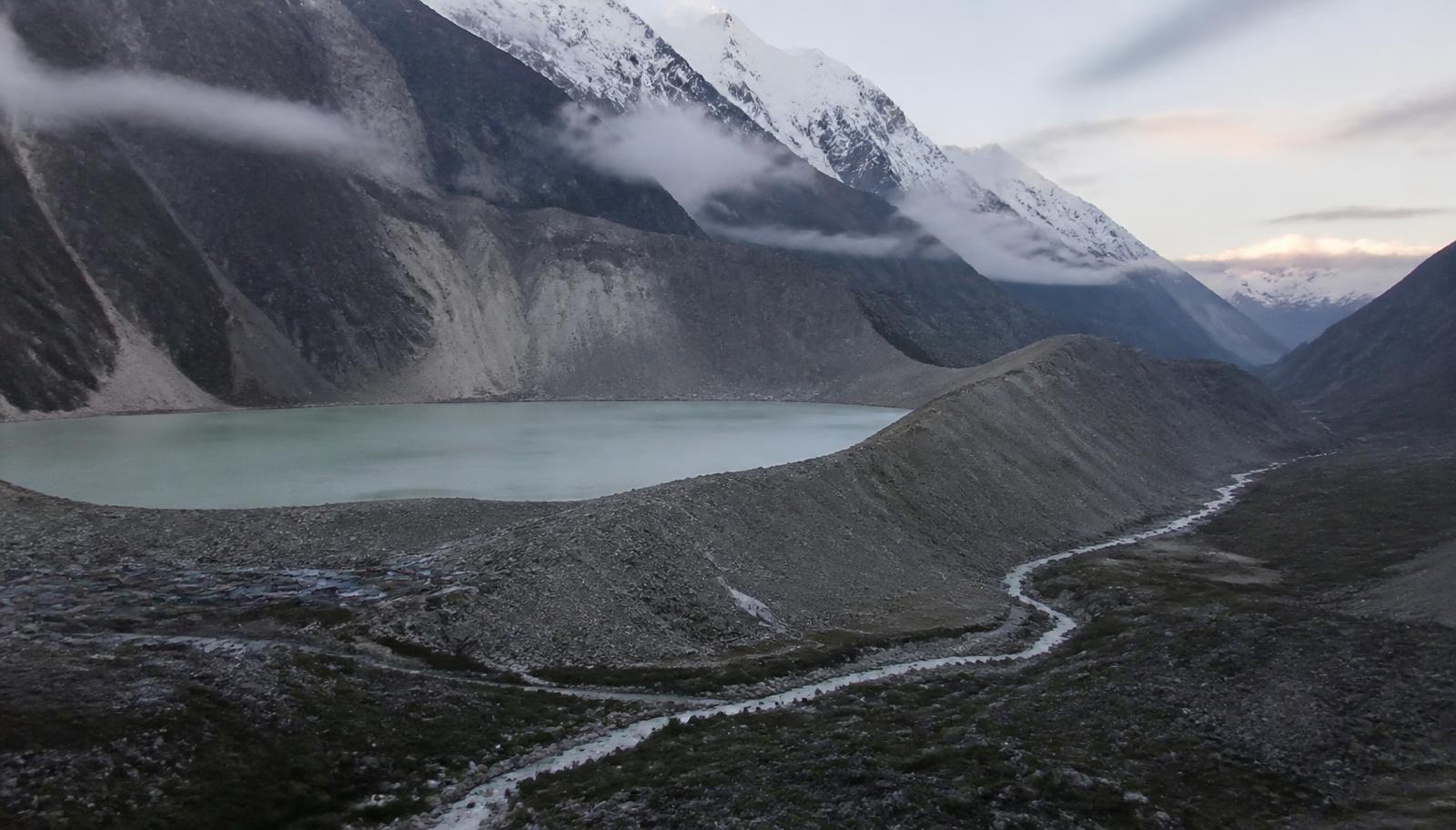
The buildup: years of warnings above the valley that flooded
Before a mountainside and the glacier it held collapsed on the Nepal–Tibet border, scientists had spent years mapping exactly this risk. A reconstruction of the warnings.