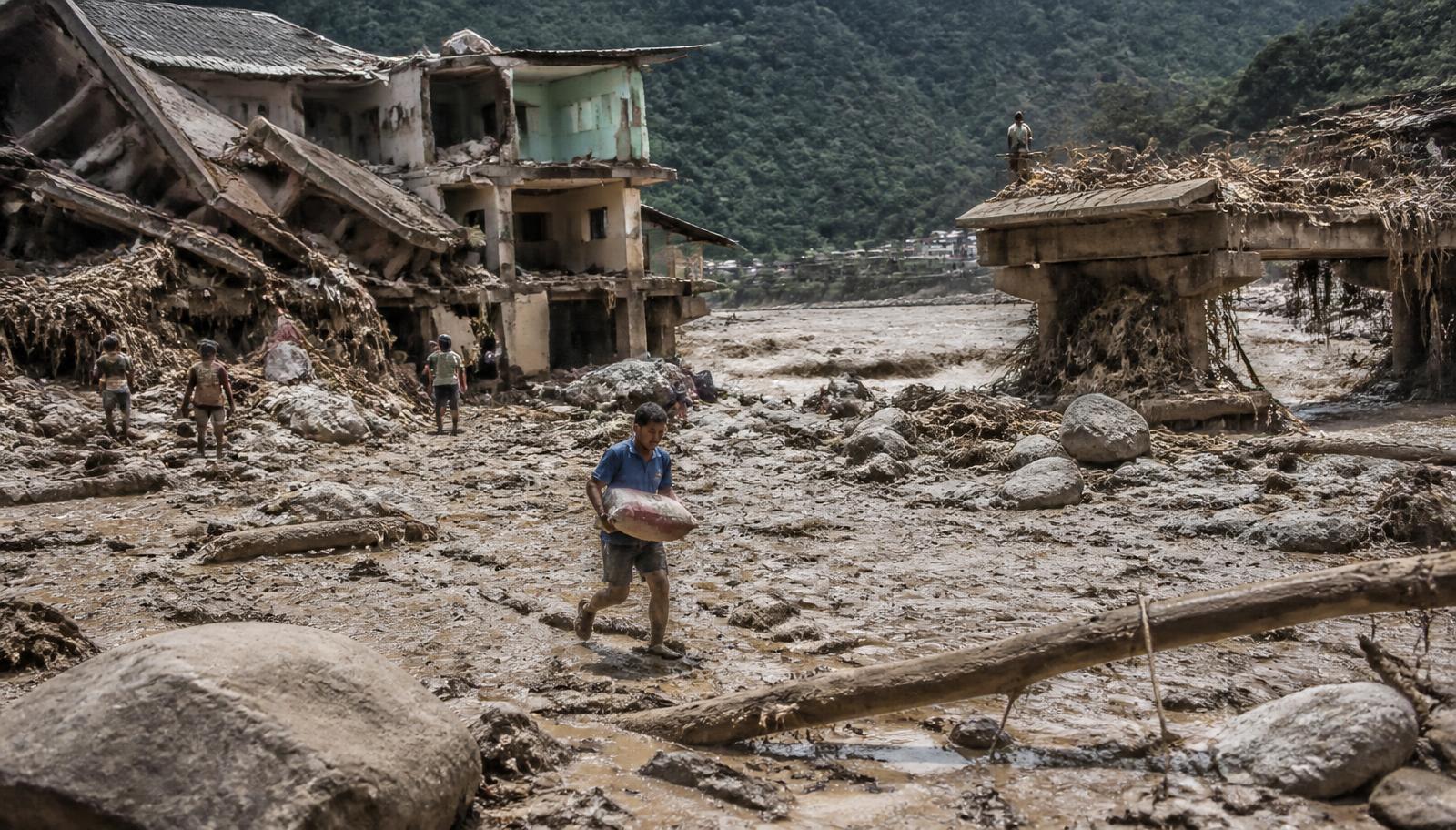
The incident: what collapsed on the border, and what it destroyed
A rocky mountainside and the glacier it supported gave way near the Nepal–Tibet frontier. This is what the resulting flood did to the valleys below.
The event
Five days ago a rocky mountainside near Nepal's border with Tibet collapsed, taking with it the glacier it had supported. The failure released a surge of meltwater that swept down the valley system on both sides of the frontier as a debris-laden flash flood.
Nepal's disaster authority has reported a death toll above 900 with more than 4,200 people missing; Chinese authorities have reported their own dead and hundreds missing across the border. Those figures have moved daily and should be read as a floor, not a total.
Why the toll is so uncertain
- Whole settlements were rewritten. Where the flood ran, it did not damage buildings so much as remove the ground they stood on, leaving mud and boulders instead of streets.
- Transient populations. Workers at road, tunnel and hydropower sites are not on local household registers, so their absence is reported late and confirmed slowly.
- Identification is slow. Officials say many recovered bodies are decomposed beyond visual identification, pushing the process onto DNA testing capacity Nepal has asked for help with.
- Access. Districts reachable only by air, in poor weather, are counted last.
The blunt read
This was a climate-shaped disaster meeting an infrastructure choice: the most exposed valley floors were also the most developed. Neither part of that sentence was a secret before Wednesday.
AI narration costs 1 coin and goes straight to the writer. One-time — replay any time.
Reader comments
Related stories
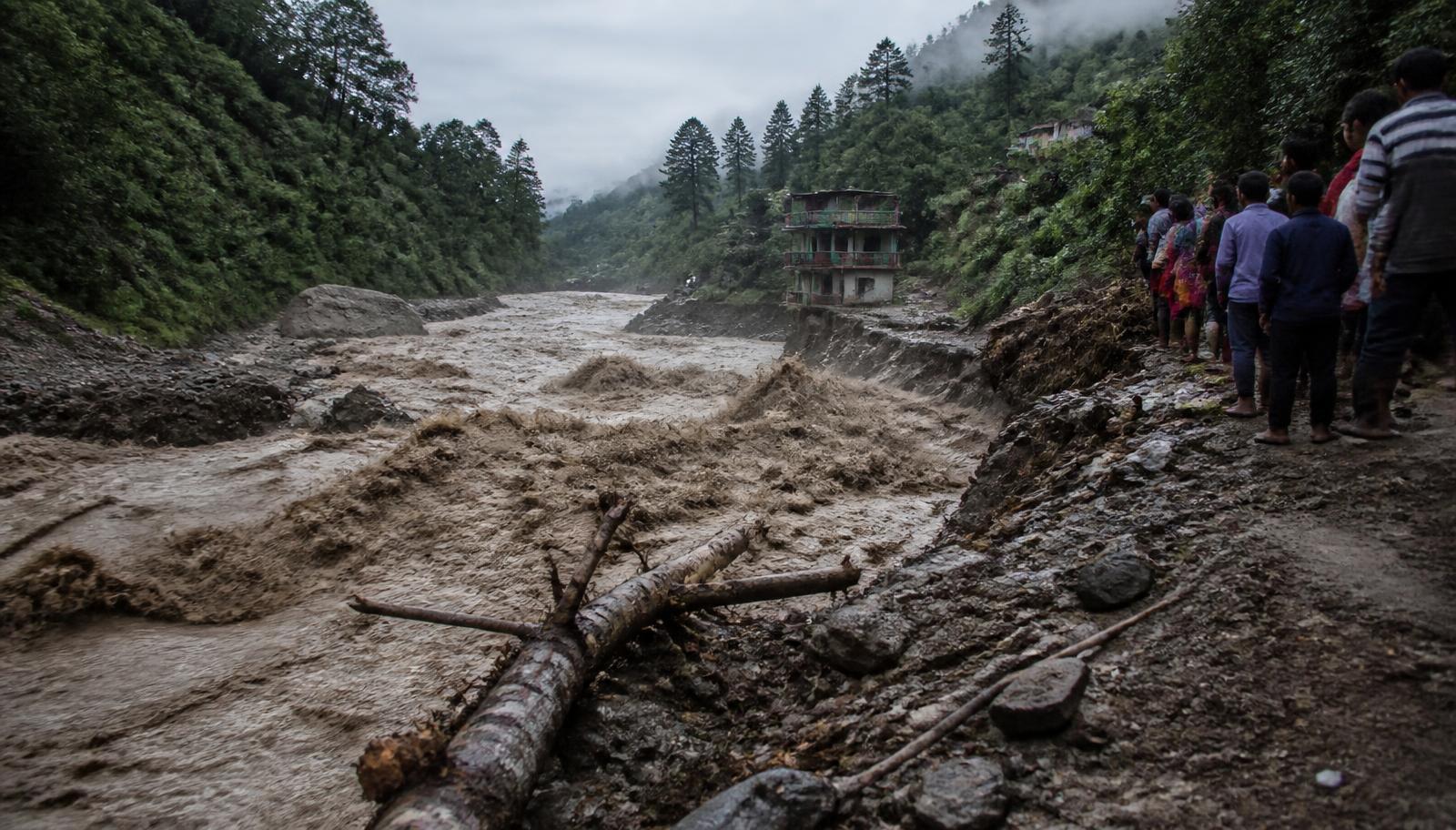
The early hours: twenty minutes of warning, then the river changed colour
Survivors describe a roar before the water, phones with no signal, and the short window between the collapse upstream and the flood reaching the first villages.
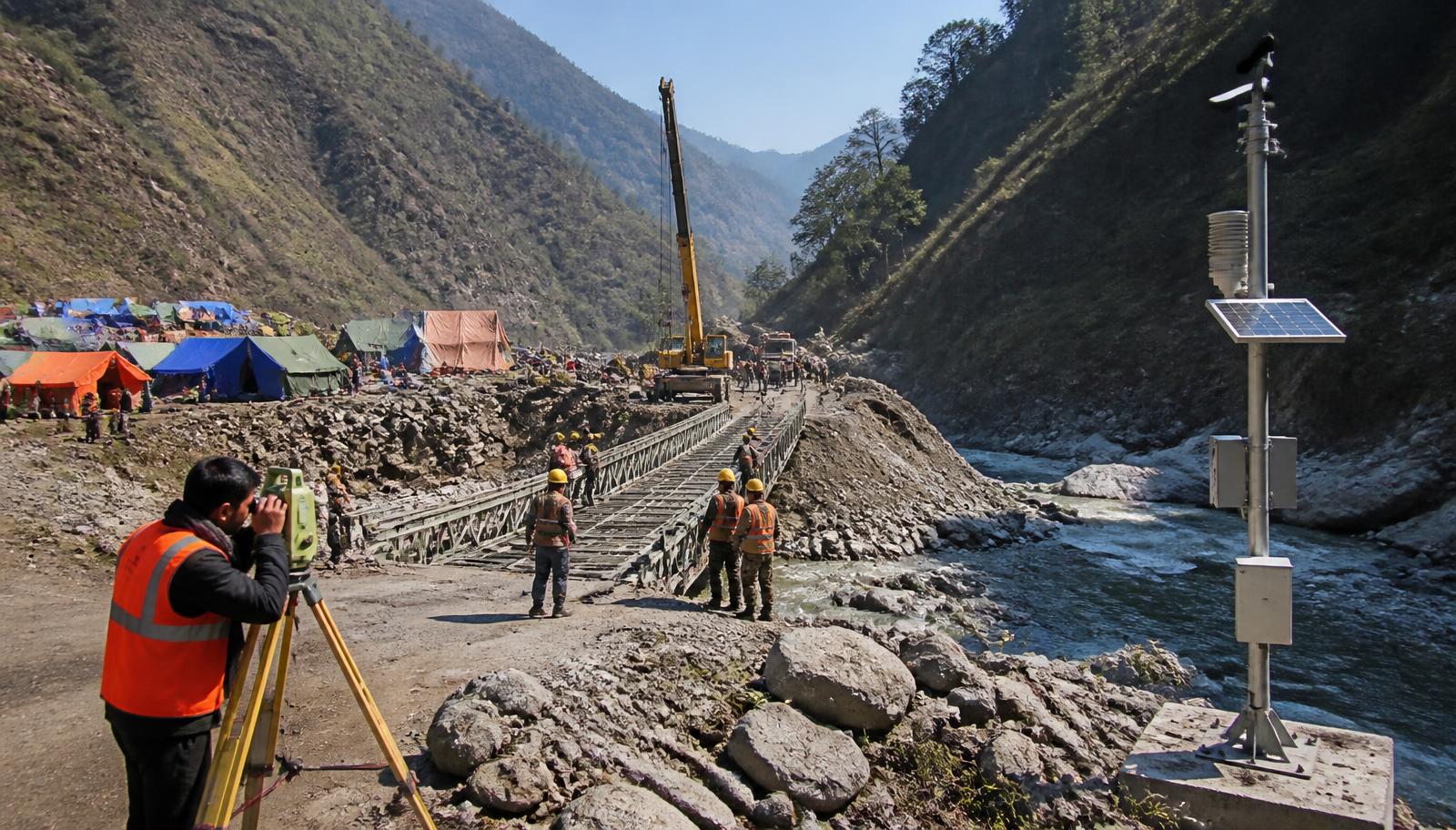
The fixes: five things that would make the next Himalayan flood survivable
Sirens that reach households, sensors upstream, lakes drawn down, valley floors kept clear, and money that arrives before the next monsoon — not after it.
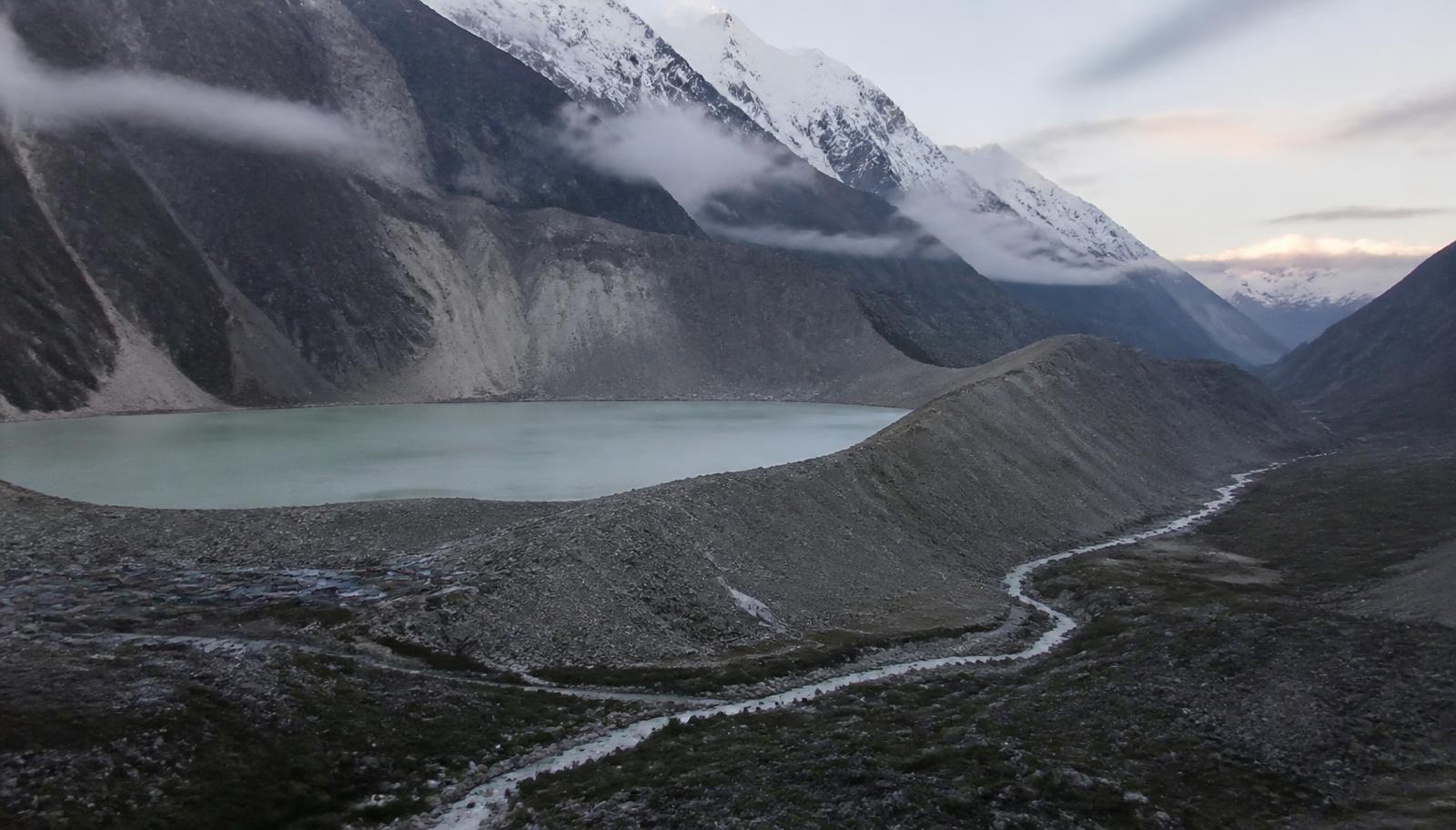
The buildup: years of warnings above the valley that flooded
Before a mountainside and the glacier it held collapsed on the Nepal–Tibet border, scientists had spent years mapping exactly this risk. A reconstruction of the warnings.