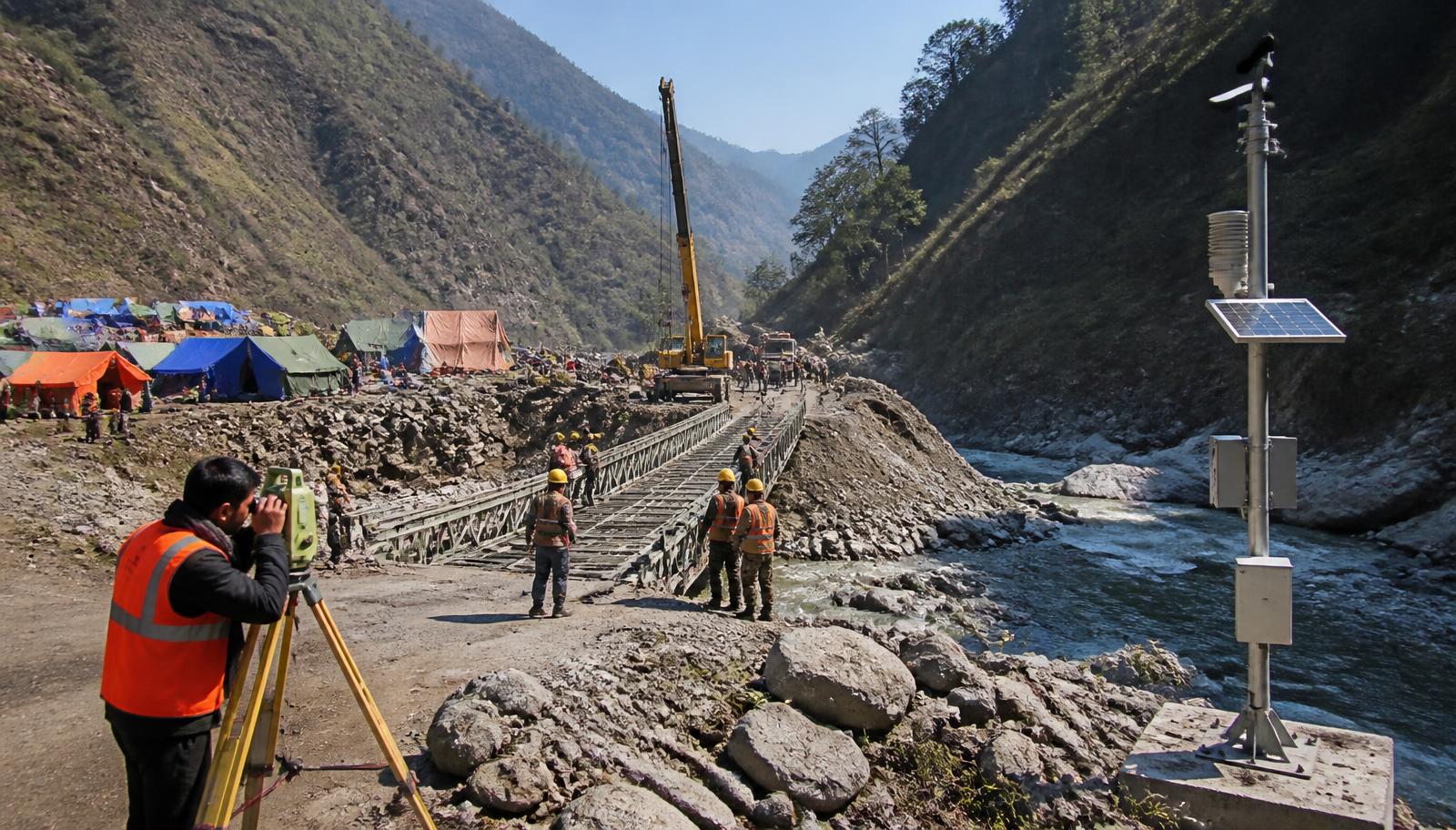
The fixes: five things that would make the next Himalayan flood survivable
Sirens that reach households, sensors upstream, lakes drawn down, valley floors kept clear, and money that arrives before the next monsoon — not after it.
The point of asking now
Every disaster produces a promise to rebuild better, and most of that promise expires with the news cycle. The window in which decisions actually change is short. These are the interventions with the strongest evidence behind them.
1. Warning that reaches a person, not a ministry
Upstream water-level and tremor sensors linked to sirens in the settlements below, plus cell broadcast alerts. The technology is cheap; the missing part is maintenance budgets and drills so people know what the siren means.
2. Lower the dangerous lakes
Controlled siphoning and engineered outlet channels have already been used to draw down high-risk glacial lakes in Nepal. It is slow, expensive work that has to be prioritised by hazard ranking rather than by proximity to a road.
3. Keep the flood path clear
Worker camps, dormitories and market rows should not sit on the active channel of a valley known to carry outburst floods. Where relocation is impossible, elevated safe platforms and marked escape routes uphill save the most lives per rupee spent.
4. Build back with redundancy
Single-bridge districts become unreachable districts. Reconstruction should fund second crossings, modular steel spans that can be replaced in days, and roads designed to be re-cut rather than rebuilt from scratch.
5. Cross-border data sharing
The collapse originated on a border. Real-time hydrological data exchange between Nepal and China would convert an unexplained roar into a measured warning with minutes attached to it.
And the money question
Nepal has put reconstruction at four to five billion dollars. If that arrives only as replacement — the same houses, in the same places, without warning systems — the next collapse writes the same story again. Right2Read will keep reporting which of these five actually gets funded.
AI narration costs 1 coin and goes straight to the writer. One-time — replay any time.
Reader comments
Related stories
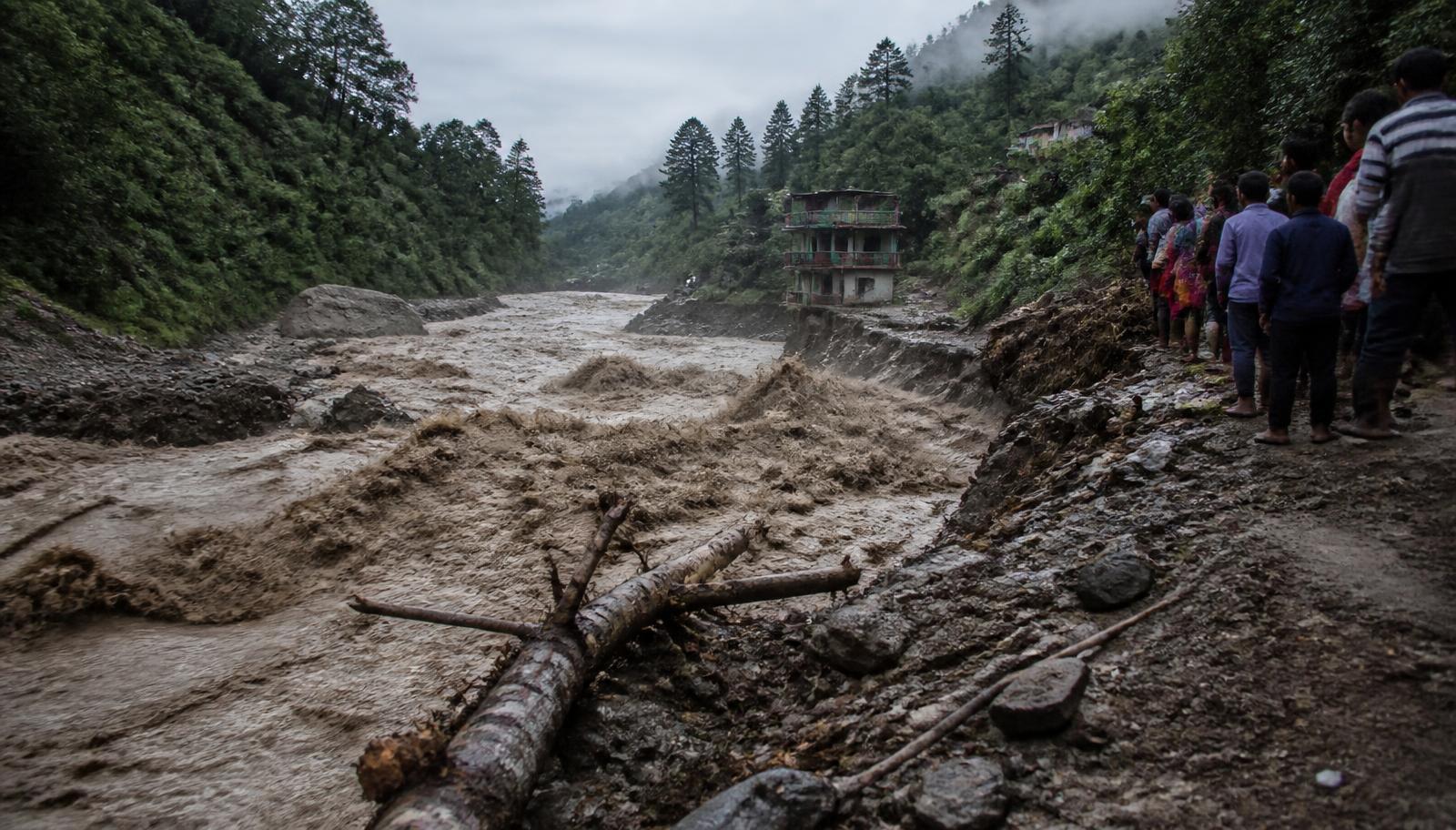
The early hours: twenty minutes of warning, then the river changed colour
Survivors describe a roar before the water, phones with no signal, and the short window between the collapse upstream and the flood reaching the first villages.
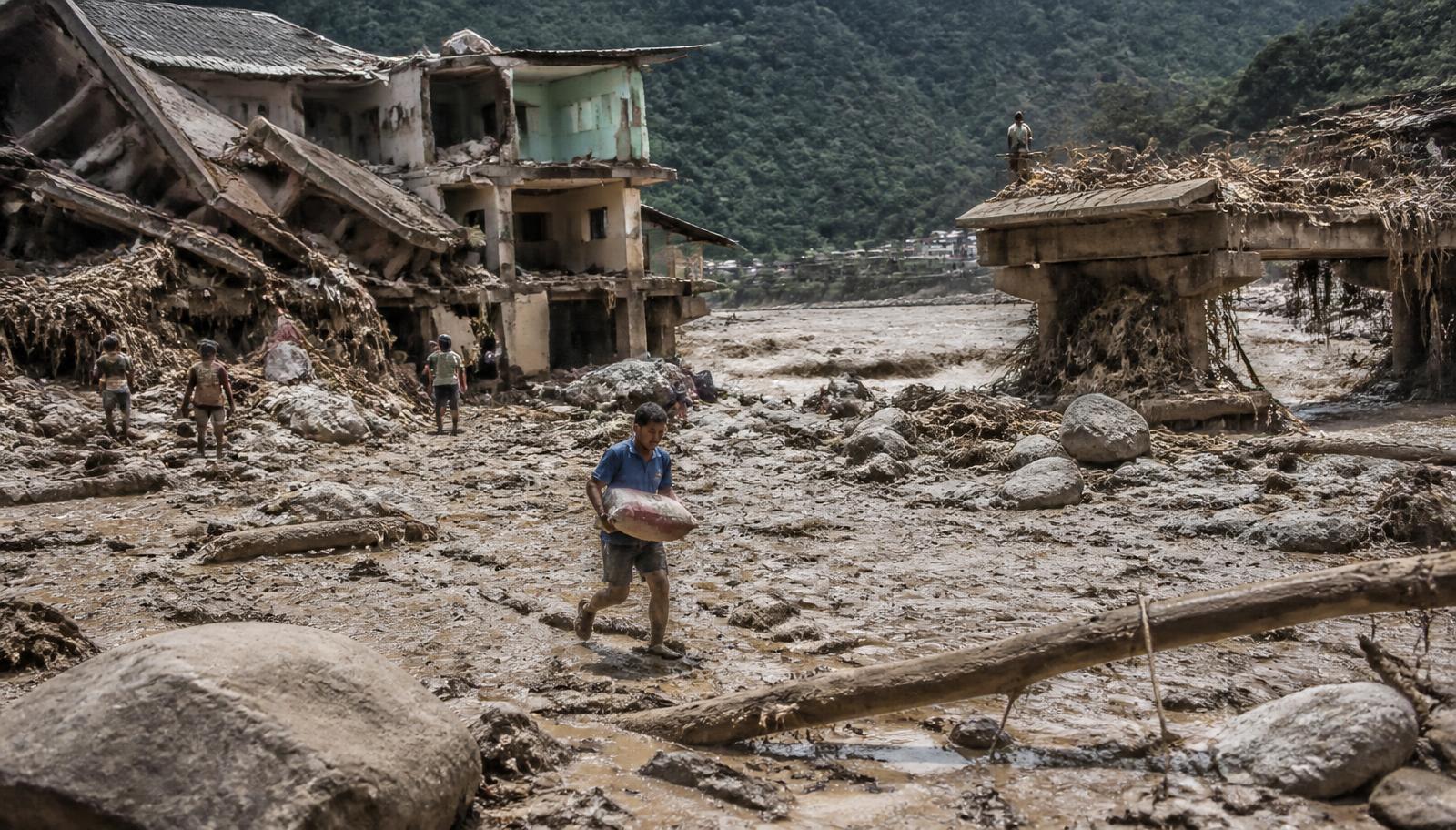
The incident: what collapsed on the border, and what it destroyed
A rocky mountainside and the glacier it supported gave way near the Nepal–Tibet frontier. This is what the resulting flood did to the valleys below.
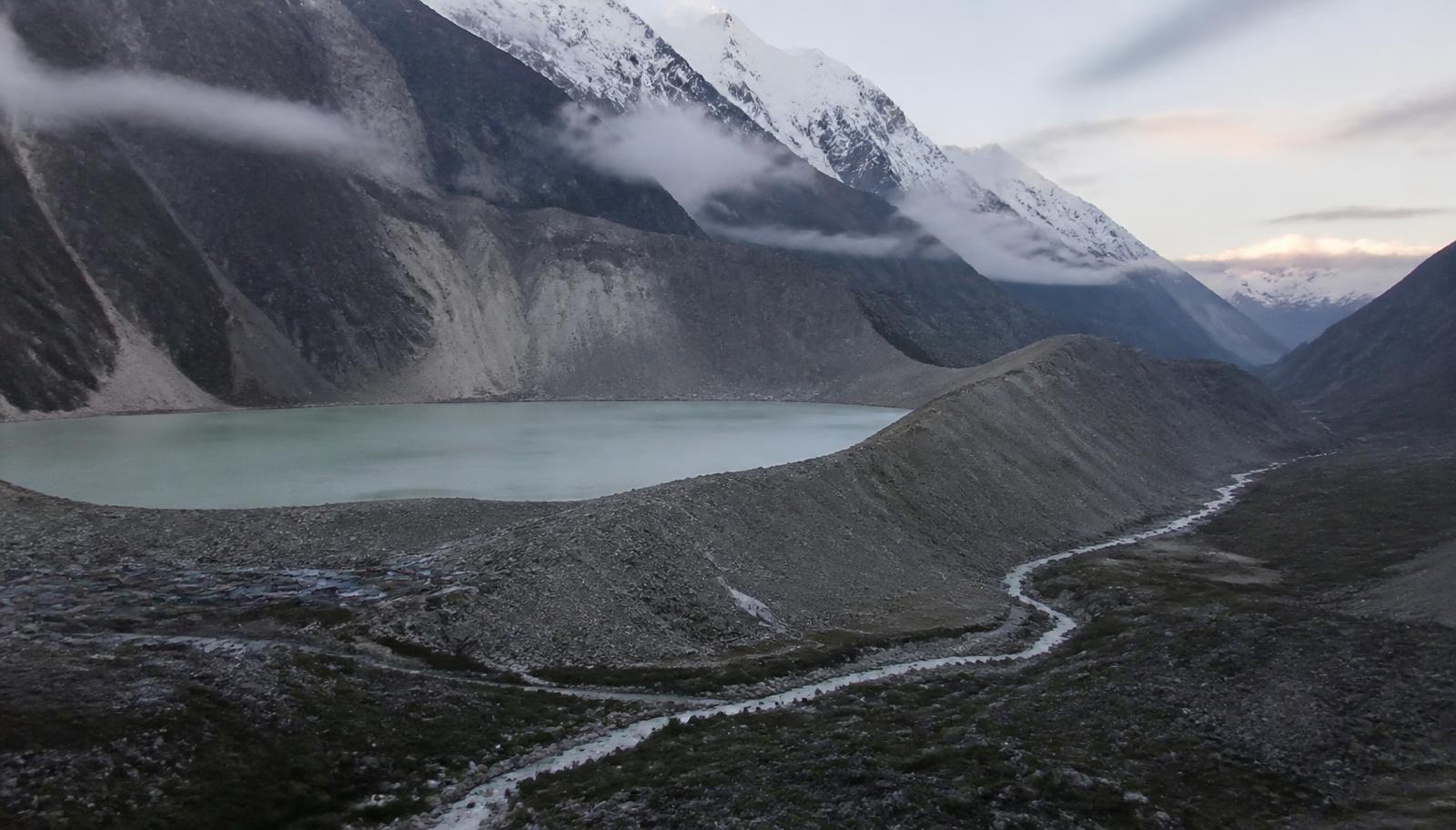
The buildup: years of warnings above the valley that flooded
Before a mountainside and the glacier it held collapsed on the Nepal–Tibet border, scientists had spent years mapping exactly this risk. A reconstruction of the warnings.