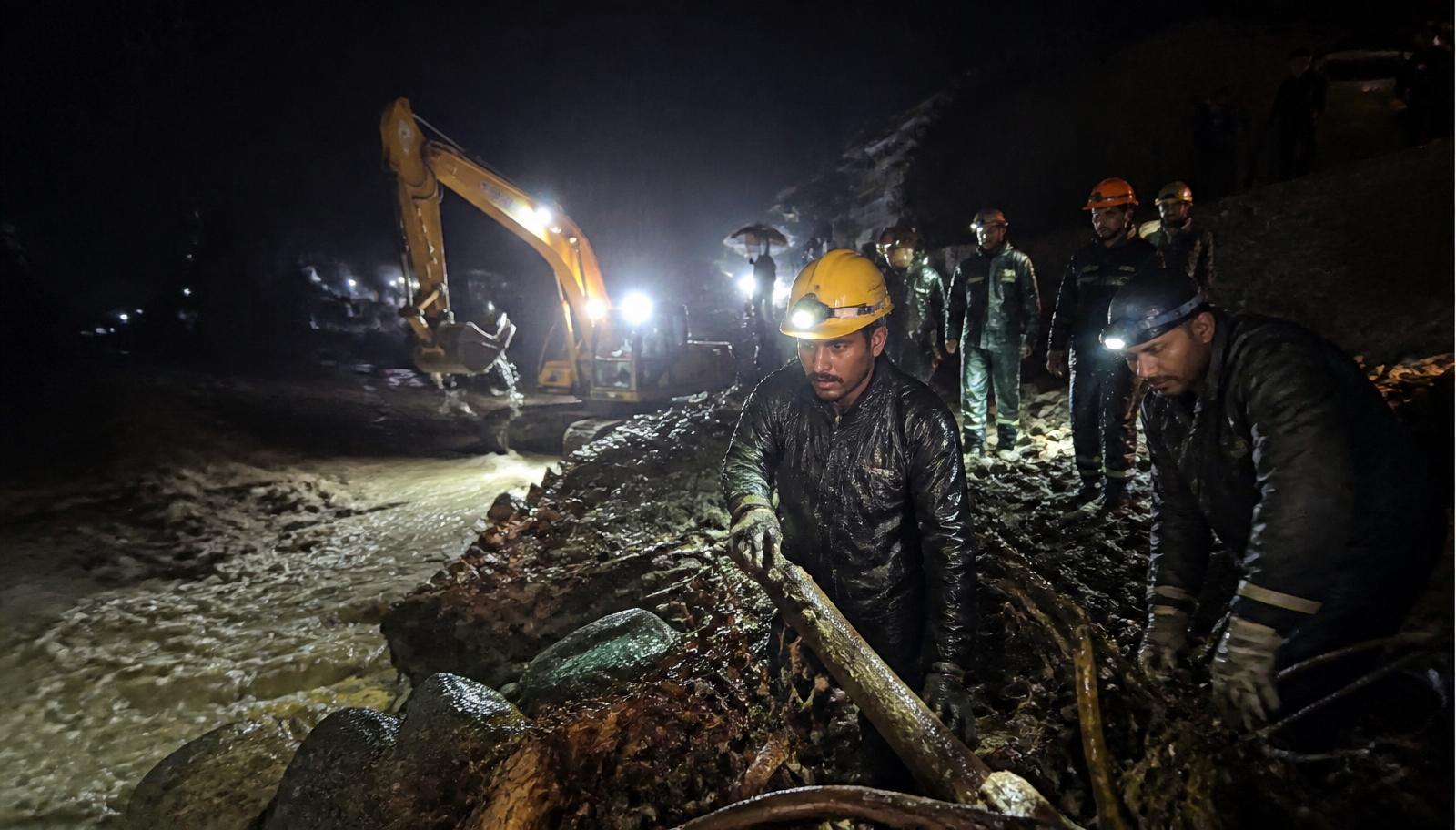
The late hours: searching mud by floodlight, with a second flood forecast
Nights on the Nepal flood front are spent digging debris under excavator lights, freeing workers trapped in tunnels, and watching river gauges for the next surge.
Rescue on a clock
Rescue teams have been working through the nights on three fronts at once: recovering bodies from debris fields, trying to reach groups of workers trapped in tunnel sections along the river, and clearing the highway that connects Kathmandu to the worst-hit districts.
Each of those competes for the same scarce things — excavators, helicopters, fuel, and daylight. When the weather closes in, air support stops and everything reverts to what can be carried in.
The second-wave fear
Residents in flood-affected districts have been told to stay on alert as river levels rise again. The valley is now full of loose material: fresh landslide scars, temporary debris dams and choked channels. Ordinary monsoon rain on that terrain behaves like a much larger storm.
Rescue is not the end of the emergency. In a reshaped valley, the next flood can be smaller and still be worse.
What is actually needed
Nepal's government has asked less for search-and-rescue personnel and more for technical help: tunnel rescue expertise, DNA identification capacity, and engineering to restore transport. The finance ministry has put reconstruction in the range of several billion dollars.
AI narration costs 1 coin and goes straight to the writer. One-time — replay any time.
Reader comments
Related stories
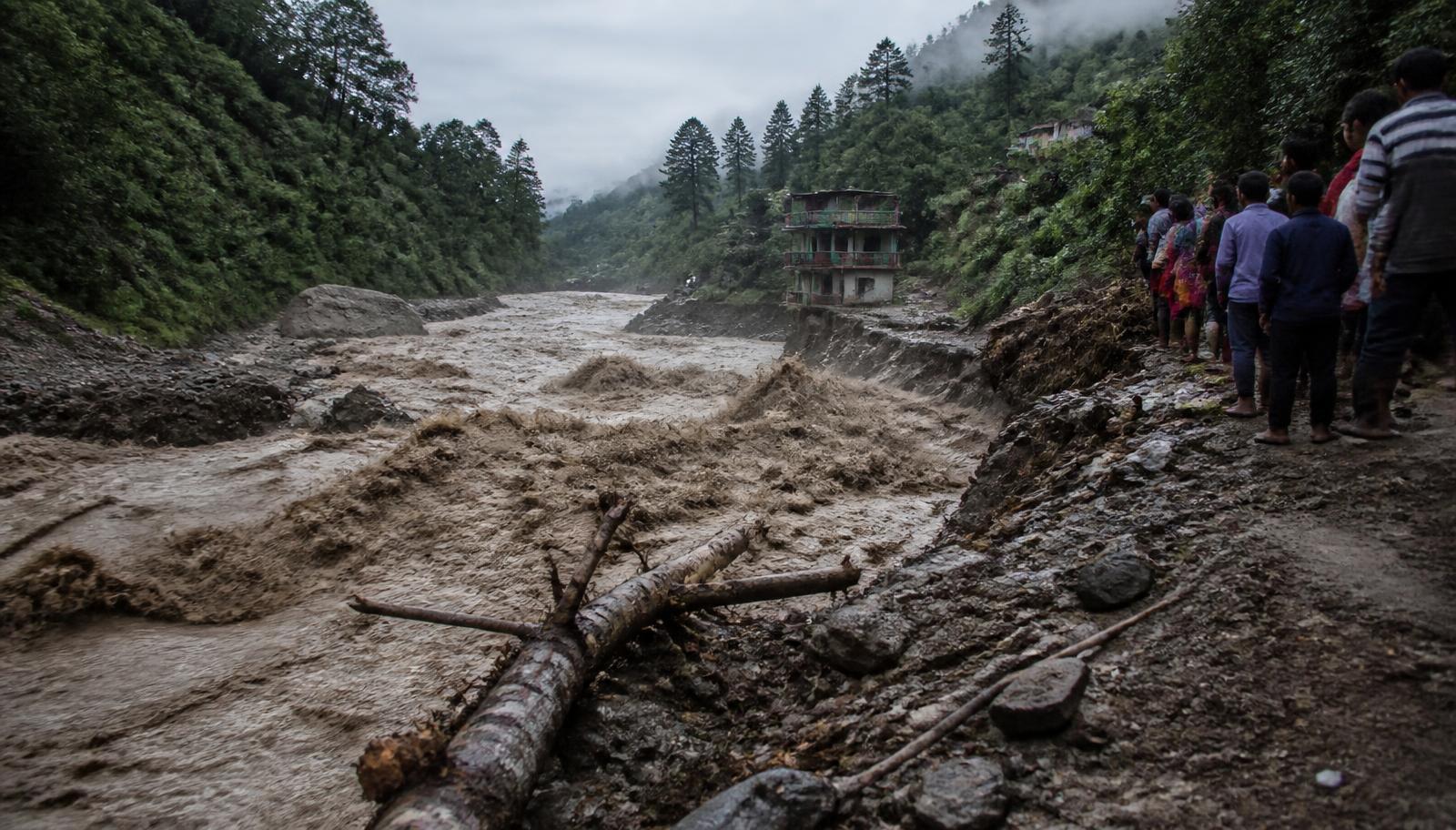
The early hours: twenty minutes of warning, then the river changed colour
Survivors describe a roar before the water, phones with no signal, and the short window between the collapse upstream and the flood reaching the first villages.
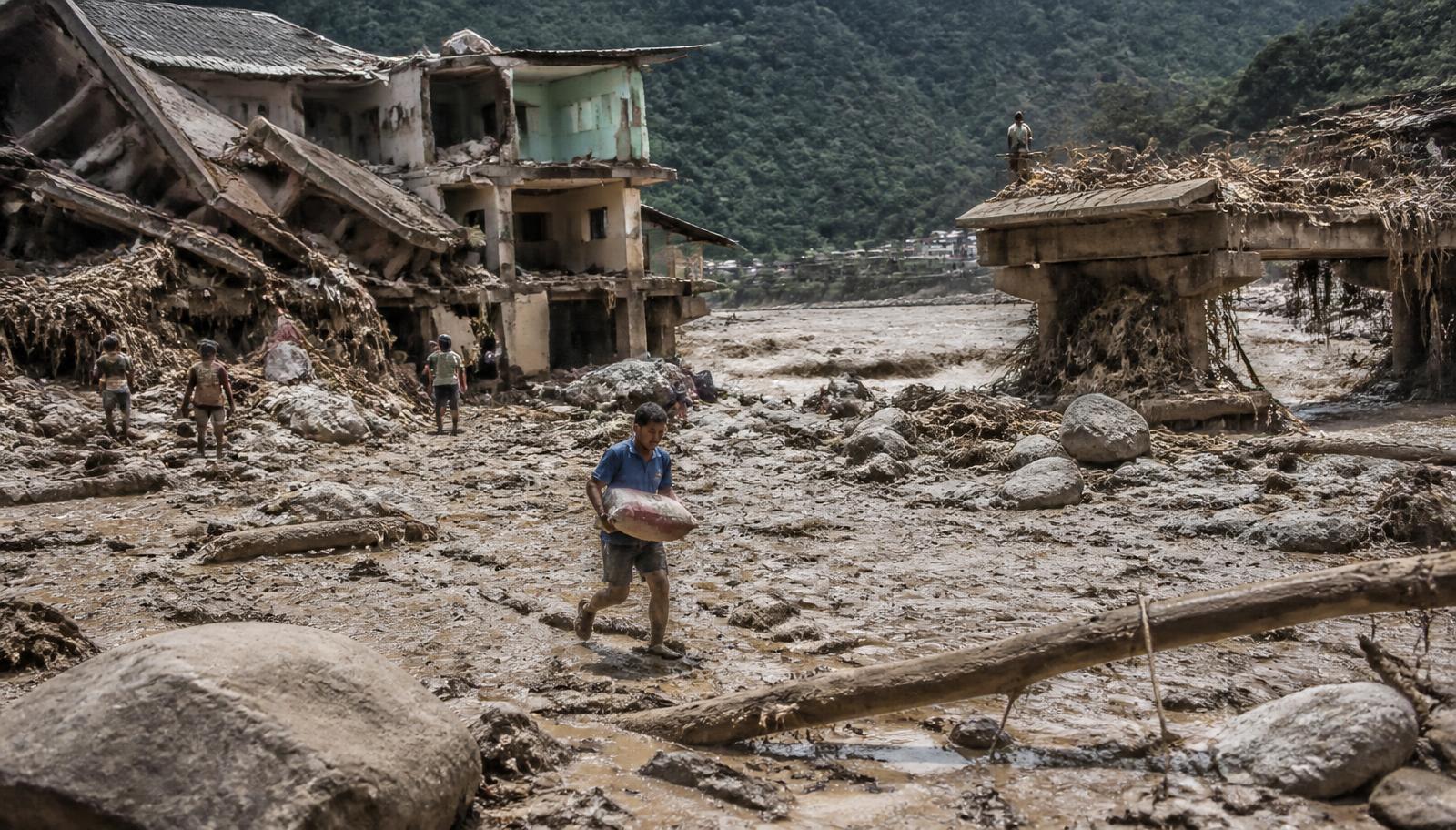
The incident: what collapsed on the border, and what it destroyed
A rocky mountainside and the glacier it supported gave way near the Nepal–Tibet frontier. This is what the resulting flood did to the valleys below.
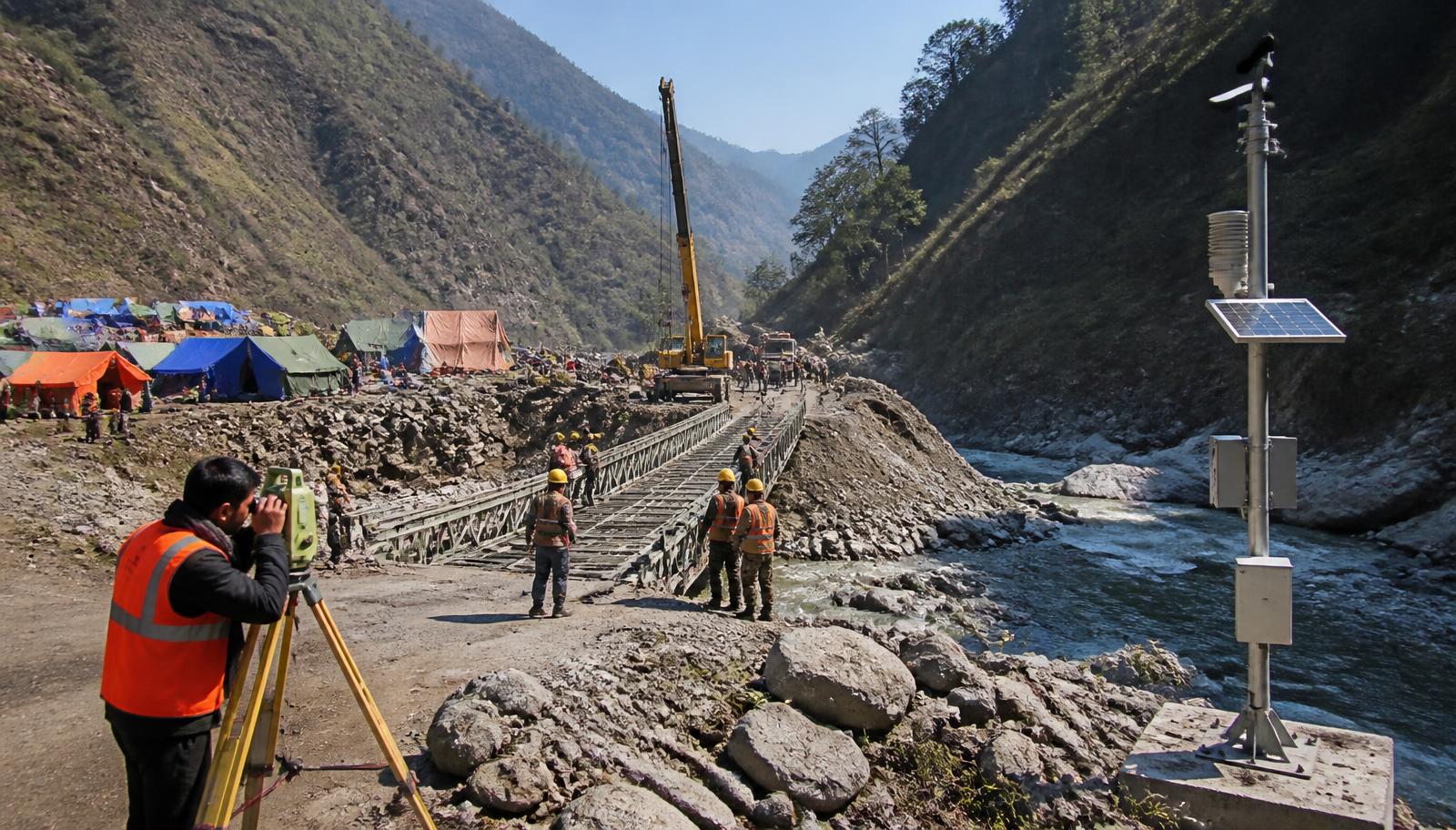
The fixes: five things that would make the next Himalayan flood survivable
Sirens that reach households, sensors upstream, lakes drawn down, valley floors kept clear, and money that arrives before the next monsoon — not after it.